Home Sellers
How does my Houston home compete when new construction is selling nearby?
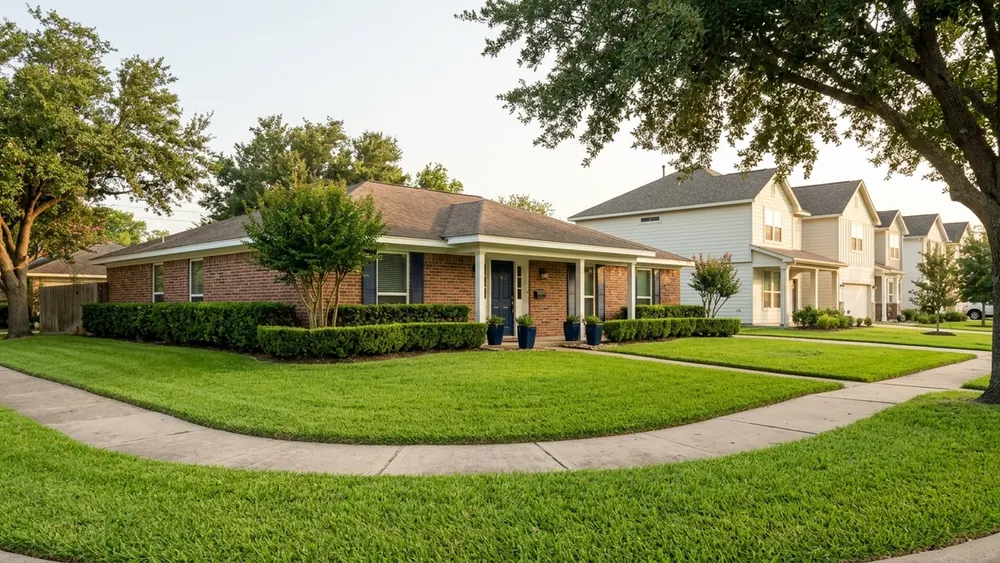
Buyers will compare your home with nearby new builds on price, condition, features and ongoing costs. Your home competes by being honestly prepared, priced against real comparable sales, and presented around what an established home offers.
On this page
How buyers weigh your home against new builds
Your home competes by being easy to compare. When new construction is selling nearby, most buyers will tour both kinds of homes, then line them up on price, condition, features and the costs of owning each one. You cannot change the fact that a new build is new. You can make sure your home is prepared honestly, priced against real recent sales, and presented so a buyer sees clearly what it offers and what it does not.
This matters because the comparison happens whether you plan for it or not. A buyer who has just walked through a model home, with its new paint and untouched floors, carries a fresh reference point for finishes, layout and condition into your front door. If your listing arrives without answers to the questions that comparison raises, the buyer fills the gaps with guesses. Planning for the comparison up front puts the facts in front of buyers before any guessing starts.
Mardis has worked both sides of new construction on Houston’s south side, on the buyer side and on the listing side, so the conversation starts with how buyers actually move between the two. Nothing here predicts a price, a timeline or a result. The goal is a clear picture of your home next to its real alternatives, so the decisions you make about preparing and pricing are based on what buyers will actually see when they tour.
What a buyer puts side by side
Before you decide what to repair or how to price, it helps to see the comparison the way a buyer will. Buyers rarely compare homes on a single point. They build a checklist, sometimes in their heads and sometimes on paper, and move between homes item by item, often with their own agent pointing out the differences. These are the points that usually come up first when a newly built home sits on the same short list as yours, and each one deserves a plain, honest answer.
- The asking price and exactly what is included at that price for each home
- The condition of the roof, major systems, appliances and visible finishes
- The layout, the lot and how each home fits the way the buyer lives
- Ongoing costs such as HOA dues, taxes and insurance, confirmed with the right sources
Where an established home can stand out
A resale home is not a weaker version of a new build. It is a different option, and some buyers prefer it once they see the comparison laid out clearly. Your job is not to argue against new construction but to make the differences easy to understand, so buyers can decide which kind of home fits them. Depending on your home and the homes around it, these are points worth having ready for buyers and their agents before the first showing, with records where you have them.
- A finished home that is ready now, with no construction schedule to wait on
- An established yard, fencing and outdoor work that is already in place
- Upgrades and improvements already paid for, with receipts to show them
- A clear repair and maintenance history that answers questions early
- A price that reflects the real differences between your home and new construction
Pricing against real comparable sales
Pricing is where the new construction comparison matters most, and it is also where guessing causes the most trouble. A builder’s price list is an asking price for a new home with its own inclusions, incentives and contract terms. It is not the same thing as what an established home like yours has recently sold for. Treating the two numbers as interchangeable can push your price in the wrong direction, either too high or too low.
The more useful starting point is recent comparable sales of homes similar to yours, along with what is actively listed and what is pending nearby. New builds belong in that picture as competition, but they are measured differently. A good comparison notes what each new home includes, what yours includes, and where the real differences in condition, layout and lot sit. That turns a vague worry about the builder down the street into a short list of specific adjustments.
Values change, and no one can promise what your home will sell for. What you can do is make the pricing decision with current local sales data in front of you, keep the reasoning written down, and revisit it if buyer feedback points somewhere new. Mardis can help you build that comparison and walk through it line by line, so the price you choose reflects the market you are actually selling into rather than a builder’s brochure.
Preparing the home for side by side tours
Buyers who have just walked through a new build notice wear more quickly. Scuffed paint, dated light fixtures, slow drains and crowded rooms all stand out against a model home. Preparation is not about pretending your home is new. It is about removing small distractions so buyers can focus on what your home actually offers, and so an inspection later in the process brings fewer surprises for you and for the buyer.
Start with what buyers will notice and what an inspection is likely to flag, then clean, declutter and light every room well. Gather receipts, any warranties you hold and records of past repairs, so you can answer questions about the roof, the systems and recent work with paperwork instead of memory. If you are unsure whether something needs attention, a licensed home inspector can look before you list. The findings help you decide what to fix, what to disclose and what to account for in your price, instead of learning about it from the buyer’s inspection.
I would rather you know exactly how a buyer will compare your home with the new build down the street before you list, not after the first round of showings.
Disclosure and the questions buyers ask
Buyers comparing a resale home with new construction often ask more questions, not fewer, because the new build comes with fresh paperwork. The seller’s disclosure is a standard part of selling in Texas, and TREC is the source for the standard forms. What applies to your sale, and how to answer each item, is a question for a real estate attorney rather than a guess. Answering honestly and completely is part of competing well.
Other questions belong to their own sources. Tax questions go to the county appraisal district, and HOA questions are answered in the HOA documents. Flood information comes from official flood maps and your own records, while insurance questions go to an insurance agent. Having these sources lined up before you list means you can point buyers toward real answers instead of offering opinions, which protects you and keeps the conversation focused on the home itself.
What to gather before a first conversation
A useful first conversation does not need a finished plan. It goes further when you bring a few things: your best sense of when you want to sell, any recent repairs or upgrades with records, known issues you are aware of, and your HOA documents if the home has them. If you have toured any of the new builds nearby, write down what stood out to you, because a buyer will likely notice the same things.
It also helps to think about what happens after the sale. If you are buying next, whether in Houston, in Missouri City or in another nearby city, the timing of the two moves affects how you prepare and when you list. A lender can explain how financing fits that sequence, including what happens if the sale and the purchase do not line up exactly as planned. Writing down your timing needs now keeps the selling plan and your next step connected, so neither one surprises the other later.
When you are ready, bring the question to Mardis: how does your home compare with the new construction selling nearby, and what is worth doing about it before you list? There is no pressure and no promised price, just a practical look at your home next to its real alternatives, one step at a time. So what would you want a buyer to understand about your home in the first few minutes of a tour?
This article is general information about buying and selling homes in Houston, Texas. It is not legal, tax, lending, insurance, inspection or valuation advice and does not predict prices or promise results. Confirm builder terms with the builder and the contract, city limits and school assignment with the city and school district, taxes and special districts with the appraisal district, flood information with official sources, contracts with a real estate attorney, and financing with a lender. Mardis Ventura, SERHANT. Equal Housing Opportunity.

Written by