Home Sellers
What should I fix before selling, and what can I skip?
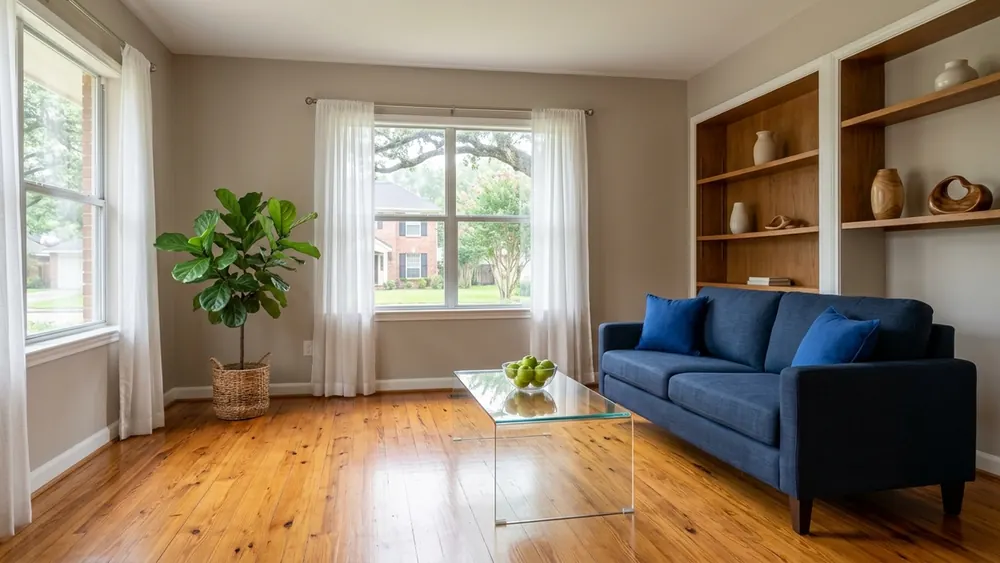
Fix what buyers will notice and what an inspection is likely to flag, then clean, declutter and light the home well. Skip costly updates made only for the sale, and confirm repair questions with a licensed home inspector.
On this page
Start with what buyers and inspectors notice
Fix the things buyers will notice and the things an inspection is likely to flag, then clean, declutter and light the home well. Skip costly updates made only for the sale, such as a full remodel, unless a clear comparison says otherwise. That is the short answer. The longer answer is a short, ordered list that separates repairs that affect how the home works from cosmetic choices that are really about taste.
This matters because buyers in Houston may tour newly built homes on the same day they tour resale homes. Against a model home, small problems look larger than they are: a dripping faucet, a stained ceiling tile or a sticking door can make a buyer wonder what else has been missed. A focused repair list removes those distractions and keeps attention on what your home actually offers, without spending money where it does not change the conversation.
No repair or update is guaranteed to return its cost, and nothing here promises a price or a faster sale, because the goal is fewer surprises. When buyers and their inspector find what you already knew about and addressed, or disclosed, the negotiation stays calmer and more predictable. When they find something you did not know about, the conversation gets harder. Deciding what to fix is mostly about choosing which surprises to remove before buyers ever walk in.
Sorting repairs into three simple groups
The first group is anything that affects how the home works. Roof leaks, water stains with an active source, plumbing problems, electrical issues, heating and cooling that does not perform, and doors or windows that will not close properly all belong here. These are the items an inspection is most likely to flag, and buyers tend to treat them as signs of deferred maintenance. Address them, or at least get an estimate and plan to disclose them honestly.
The second group is small, inexpensive work that changes how the home feels on a tour. Touching up paint, replacing burned out bulbs, fixing loose handles and hinges, recaulking tubs and sinks, cleaning grout, trimming the yard and clearing gutters all fit here. None of it is dramatic, but together it signals a home that has been cared for. This is often where a modest budget and a free weekend do the most work for you.
The third group is the expensive, taste-driven work: a full kitchen remodel, new flooring throughout, a bathroom gut renovation or a room addition. Buyers have their own preferences, and work done only for the sale may not match them. It can also delay your listing. Before committing to anything in this group, compare it against recent comparable sales and the new construction nearby, and ask whether the change is needed to compete or simply nice to have.
Why an inspection before listing can help
Many sellers wait for the buyer’s inspection to learn what is wrong with the home. An inspection before you list flips that order. A licensed home inspector walks the home the way a buyer’s inspector would and writes down what needs attention. You then have time to get estimates, decide what to fix and plan what to disclose, instead of reacting to a report while a contract deadline is running.
An early inspection does not replace the buyer’s own inspection, and it does not tell you what the law requires you to disclose. Those are separate questions. What it gives you is information. With a written list in hand, you can sort each item into the three groups above, ask for repair estimates where needed, and make choices with real numbers from contractors instead of guesses about what something might cost to fix.
Whether an early inspection makes sense for your home depends on its age, its history and what you already know. A home with recent major work and good records may need less investigation than one with systems you have never had checked. It is worth talking through whether an inspection before listing makes sense for your situation, and how to use the findings when you prepare the home and the disclosure.
Low cost preparation worth doing
Once the repairs that affect how the home works are handled, the most useful preparation is often the least expensive. Buyers decide quickly how a home feels, and much of that impression comes from light, space and cleanliness rather than finishes. These steps cost more in time than in money, and they help every room photograph and show well, whether a buyer has just come from a new build or from another resale home.
- Deep clean every room, including windows, baseboards, grout and appliances
- Declutter shelves, counters and closets so rooms read larger and calmer
- Replace dim or mismatched bulbs and open blinds to bring in light
- Tidy the yard, entry and front door so the first impression is clean
None of this requires a contractor, and most of it can be done in stages while you plan the rest of the sale. It also helps you see the home the way a buyer will. Packing early, clearing surfaces and walking each room as if you were touring it for the first time often reveals small repairs you had stopped noticing, which then go back onto the list in the right group.
A simple way to decide each item
When you are unsure about a specific item, a quick check against three questions usually settles it: does it affect how the home works or how an inspection will read, will a buyer notice it on a tour, and does it change how your home compares with similar homes and new builds nearby? The table below shows how that thinking applies to common items, along with who gives the reliable answer for each one.
| Item | Common approach | Who to ask |
|---|---|---|
| Roof leaks or active water stains | Repair before listing, or get an estimate and disclose | A licensed home inspector, then repair estimates |
| Heating, cooling or plumbing problems | Have it serviced and keep the records | A licensed home inspector and a service technician |
| Worn paint, loose hardware, dim lighting | Usually worth a modest refresh before photos | Your own walkthrough, then Mardis |
| Full kitchen or bath remodel | Often skipped unless comparable sales clearly support it | Mardis, using recent comparable sales |
| Known past issues already repaired | Disclose honestly and keep the paperwork ready | A real estate attorney, using TREC forms |
The approaches in the table are starting points, not rules. Every home and every sale is different, and the right answer for one item can change once you see a repair estimate or a comparable sale. If an item falls between two groups, write it down with a note and bring it to the first conversation, where it can be weighed against everything else on your list.
How nearby new construction changes the list
If new homes are being built near you, buyers will hold your home up against them. That does not mean you should try to match a new build finish for finish. It means the items buyers compare most directly, such as condition, systems, appliances and paint, deserve extra attention. Mardis has worked both sides of new construction on Houston’s south side, so this comparison is a natural place to start when you sit down to plan.
It also means honest records matter more. A new build comes with fresh paperwork from the builder, and buyers may expect a resale home to answer the same kinds of questions. Receipts for roof work, service records for heating and cooling, and dates for any major replacements help close that gap. Where you do not have records, it is usually better to say so plainly than to guess, and to let the buyer’s inspector confirm.
Building your repair list before you list
Before a first conversation about selling, a little preparation on paper goes a long way. You do not need estimates for everything or a finished plan. A rough list, sorted into the three groups, gives a first conversation something concrete to work from, and it often shows that the list is shorter than it first felt. These are the things worth writing down and gathering before you meet.
- Every repair you already know about, sorted by how the home works or looks
- Receipts and dates for past repairs, replacements and upgrades
- Any earlier inspection reports, plus your HOA documents if they apply
- Your rough timing, and whether you are buying another home next
Bring that list, and the question in the title, to Mardis. Together you can look at which items matter for buyers comparing your home with others nearby in Houston, which ones a licensed home inspector should look at first, and which ones you can comfortably leave for the next owner to choose. There is no pressure and no promised result, just a practical plan. Which item on your list have you been putting off the longest?
This article is general information about buying and selling homes in Houston, Texas. It is not legal, tax, lending, insurance, inspection or valuation advice and does not predict prices or promise results. Confirm builder terms with the builder and the contract, city limits and school assignment with the city and school district, taxes and special districts with the appraisal district, flood information with official sources, contracts with a real estate attorney, and financing with a lender. Mardis Ventura, SERHANT. Equal Housing Opportunity.

Written by